







Almost everyone has a desire to visit Thailand at least once in life, as it is such a destination that works for both luxury travellers and budget explorers. Yet many people misunderstand when Thailand is actually affordable and when it quietly becomes expensive. Prices shift dramatically based on season, region, and demand. Timing matters more than destination choice.

This guide explains Thailand travel costs honestly, without exaggeration, and helps you decide when to travel for value, comfort, and realistic expectations.
Understanding Travel Costs in Thailand
Thailand travel expenses generally fall into three categories:
- Flights
- Accommodation
- Daily expenses such as food and transport
Each category fluctuates depending on season, school holidays, festivals, and weather patterns.
The question is not whether Thailand is cheap. The real question is when Thailand is cheapest and when it is most expensive.
Most Expensive Time to Visit Thailand
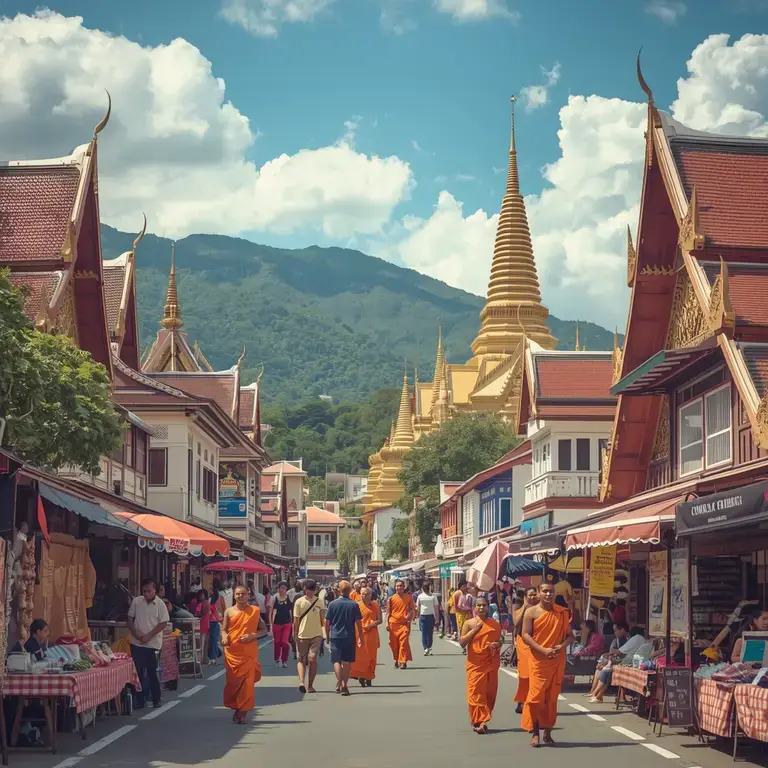
The cool season from November to February attracts the highest number of visitors.
Why Prices Rise
- International holidays
- Ideal weather across cities and islands
- Festival travel demand
What Gets Expensive
- Flights to Bangkok, Phuket, and Chiang Mai
- Beach resorts in Phuket, Koh Samui, and Krabi
- Hotels during December and January
If you plan to travel in this period, booking early is essential. Walk-in deals rarely exists.
Cheapest Time to Visit Thailand
The cheapest time to visit Thailand usually falls during the rainy season, particularly:
- May
- June
- September
Why Prices Drop
- Fewer tourists
- Higher hotel vacancies
- Reduced demand for island tours
September often offers the lowest hotel prices, making it attractive for travellers who prioritise budget over perfect weather.
Best Months for Cheap Flights
- May
- September
- Early October
Flights during Indian holiday periods tend to rise, even if Thailand itself is in low season.
What month is the cheapest to fly to Thailand?
September typically offers the lowest fares across most routes.

Is September a Good Time to Visit Thailand
September sits firmly in the rainy season, but that does not mean constant rain.
What to Expect
- Afternoon showers
- Clear mornings
- Fewer crowds
Cities like Bangkok and Chiang Mai remain fully functional. Koh Samui often performs better than the Andaman coast during this month.
October Travel Value and Risk Balance
October works as a transition month.

Pros
- Lower prices than peak season
- Improving weather conditions
- Fewer crowds than December
Cons
- Unpredictable rain in some regions
Is October a good time to visit Thailand?
Yes, for city focused and flexible travellers.
Hotel Prices: Peak Season vs Shoulder Season

Peak Season Pricing
- December and January
- Premium resorts sell out quickly
- Budget hotels increase rates
Shoulder Season Pricing
- March
- November
Shoulder months offer balance. Prices remain reasonable while weather improves.
Low Season Deals You Should Know About
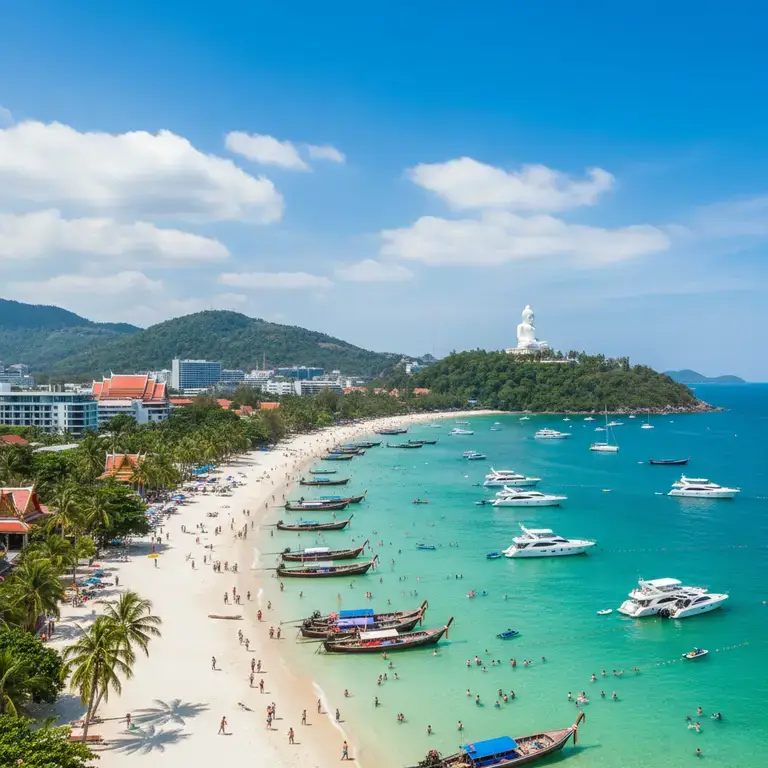
During low season, many hotels include:
- Free breakfast upgrades
- Discounted airport transfers
- Longer stay offers
These deals are common in Phuket, Krabi, and Koh Samui.
Downsides of Traveling in the Rainy Season
Besides rain, travellers may experience:
- Cancelled boat trips
- Rough seas on west coast islands
- Reduced access to some beaches
However, cities and cultural destinations remain mostly unaffected.
Popular Attractions Less Impacted by Rain
Even during low season, travellers enjoy:
- Bangkok temples and shopping
- Chiang Mai cafes and cooking classes
- Indoor markets and museums
- Eastern Thailand islands during clear spells

Peak season can exceed your friendly budget, so:
- Travel during low or shoulder season
- Choose midrange hotels
- Limit island hopping tours
Peak season travel will exceed budget quickly and beyond your expectations.
How Many Days in Thailand Is Enough
Cost efficiency improves with balanced planning.
- 7 days’ work for one city and one island
- 10 days allows for the city plus two islands
- 14 days suits relaxed travel without rushing
Longer stays often reduce costs per day.
Crowds vs Cost Trade Off
Avoiding crowds often leads to better pricing. Travelling just before or after peak season offers the best balance.
Understanding this trade off allows travellers to plan without regret.
Thailand Seasonal Destination Fit Guide
Travel Priority |
Recommended Regions |
Months That Perform Well |
Conditions to Expect |
When to Reconsider |
| Urban exploration & food culture | Bangkok, Chiang Mai (city zones) | Nov – Jan | Cooler evenings, manageable humidity, lively street scenes | Apr (heat stress), Sep (flood-prone streets) |
| Island hopping & snorkeling | Phuket, Phi Phi, Krabi | Dec – Mar | Clear visibility, stable boat schedules, calm tides | Jun – Oct (sea cancellations common) |
| Flexible beach holidays | Koh Samui, Koh Tao | Feb – Aug | Fewer weather disruptions than west coast, consistent sunshine | Oct – Nov (short but intense rain bursts) |
| Nature & slow travel | Pai, Northern villages | Dec – Feb | Dry trails, scenic views, cooler mornings | Mar – May (smoke haze), Aug (muddy roads) |
| Cultural festivals & visuals | Chiang Mai, Sukhothai | Nov | Lantern festivals, river ceremonies, night events | Not weather-sensitive, but accommodation fills fast |
| Budget-focused travel | Bangkok, Hua Hin, secondary cities | May, Jun, Sep | Hotel discounts, lighter crowds, brief rain spells | Peak season pricing Nov – Feb |
| Family-friendly resort stays | Hua Hin, Eastern Gulf | Nov – Feb | Easy transport, calmer beaches, reliable services | Aug – Sep (unpredictable rain) |
| Romantic or honeymoon travel | Phuket, Samui, Krabi | Jan – Feb | Calm seas, sunset conditions, premium resort service | Jul – Oct (weather-driven activity limits) |
Practical Observations:
Travel behaviour in Thailand shows a clear link between pricing and crowd density. Peak season travel often brings ideal weather but also higher hotel rates, limited availability, and increased airfare, especially in major hubs like Bangkok and Phuket.
By contrast, travellers who visit during low or shoulder seasons frequently benefit from discounted hotels, easier transport, and quieter attractions. While weather conditions may be less predictable, short rain spells rarely disturb city activities and often have minimal impact on overall travel costs.
Many value focused travellers find that flexible timing rather than chasing perfect weather results in better accommodation options, smoother experiences, and meaningful savings across the trip.
Final Thoughts on Smart Thailand Travel Planning
Thailand does not reward impulsive travel during peak demand. It rewards informed planning. Travellers who understand seasonal cost patterns often enjoy better hotels, quieter attractions, and less financial stress.
The cheapest time to visit Thailand is not about sacrifice. It is about flexibility and awareness. With smart timing, Thailand remains one of the most accessible and rewarding destinations in Asia.
Frequently Asked Questions
Which month is the cheapest in Thailand?
September typically offers the lowest hotel and flight prices.
What is the most expensive time to visit Thailand?
December and January due to global holiday travel.
Is travelling during monsoon season risky?
No, but flexibility is necessary for island activities.
Can budget travellers still enjoy Thailand?
Yes, especially during shoulder and low seasons.