






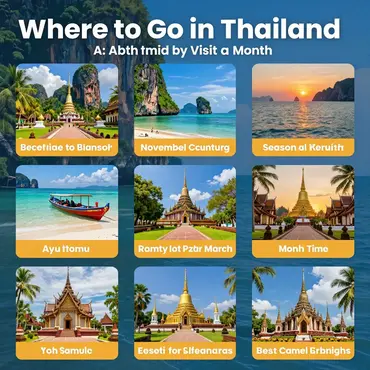
Choosing the right place to visit in Thailand matters just as much as choosing the right time. Thailand is not a one destination country. The experience changes dramatically depending on the month, region, weather pattern, and travel purpose.

Bangkok feels intense in April but pleasant in December. Phuket shines in winter yet struggles during monsoon months. Koh Samui follows a different climate rhythm altogether.
This guide helps you decide where to go in Thailand month by month, using logic rather than guesswork.
Bangkok Best Months and When to Avoid

Bangkok remains Thailand’s gateway city and cultural core.
Best Time to Visit Bangkok
- November to February
- Comfortable temperatures
- Ideal for temples, markets, and walking tours

When Not to Visit Bangkok
- April is the hottest month
- September sees heavy rain and traffic delays
If you ask which month not to visit Bangkok, April stands out for heat fatigue rather than safety concerns.
Chiang Mai and Northern Thailand Cultural Timing
Northern Thailand offers cooler air, mountains, and a strong cultural identity.
Best Time to Visit Chiang Mai
- November to February
- Ideal for trekking and festivals
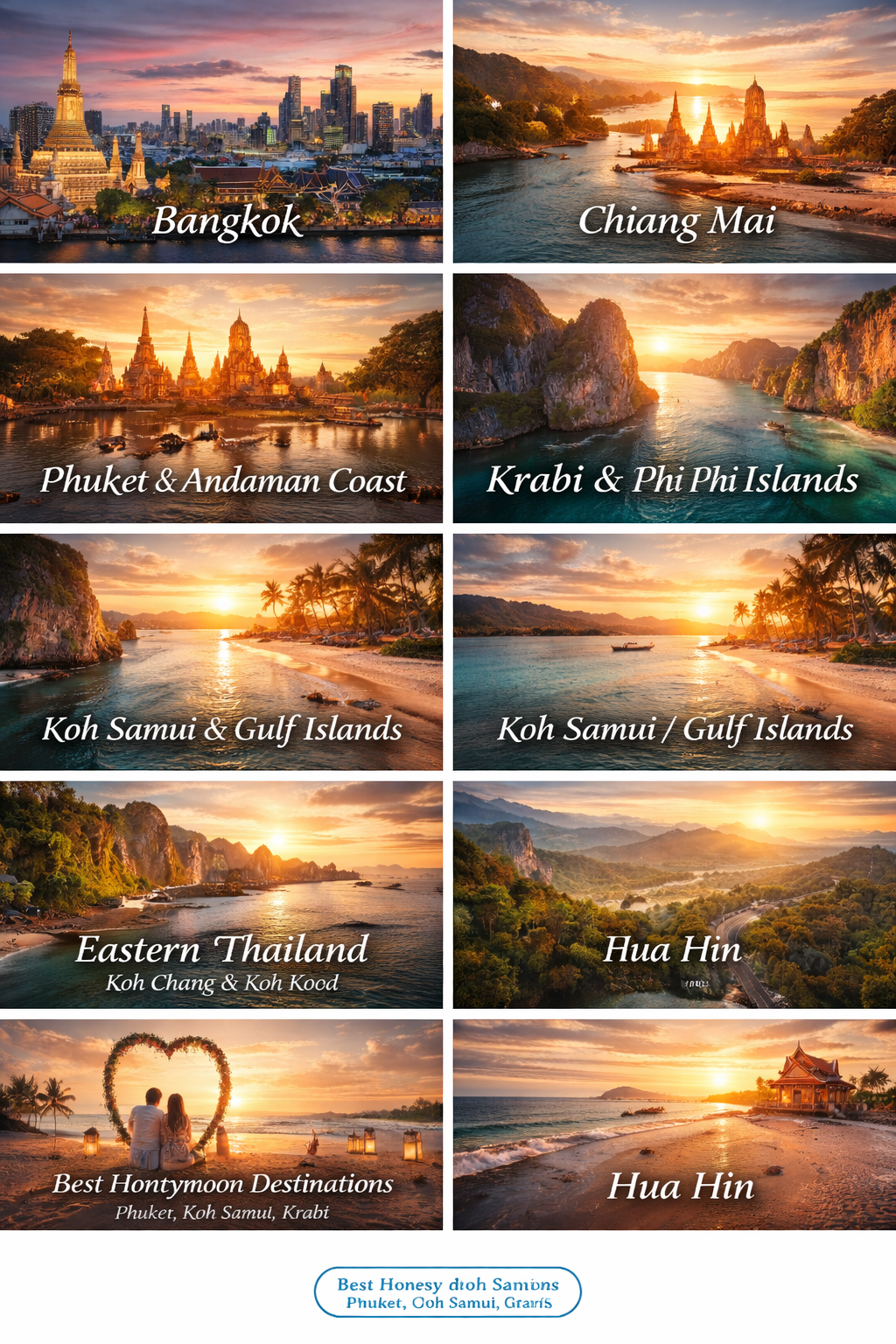
Festivals to Plan Around
- Yi Peng Lantern Festival
- Loy Krathong
March to May brings burning season haze, which reduces air quality. This is the main reason many travelers avoid late spring in the north.
Ayutthaya and Historical Destinations
Ayutthaya suits short visits and history focused travel.
Best Months
- November to February
During cooler months, temple exploration becomes enjoyable rather than exhausting. Rainy months can limit outdoor exploration but still work for day trips from Bangkok.
Phuket and Andaman Coast Best Travel Window
Phuket, Krabi, and Phi Phi Islands belong to Thailand’s western coastline.
Best Time to Go to Phuket, Thailand
- November to March
- Calm seas and clear visibility
Worst Time
- June to October
- Rough seas limit island tours
If beaches and boat trips matter, avoid monsoon months here.
Krabi and Phi Phi Islands Seasonal Reality
Krabi offers dramatic landscapes and calmer alternatives to Phuket.
Best Time
- December to February
Rain affects Krabi similarly to Phuket, but limestone cliffs and mainland beaches remain accessible even during shoulder months.
Koh Samui and Gulf Islands Weather Advantage
Koh Samui, Koh Tao, and nearby islands follow a different rainfall cycle.
Best Time to Visit Thailand Koh Samui
- January to September
Rain peaks later in October and November, making Koh Samui a strong option when the Andaman coast struggles.
Eastern Thailand Koh Chang and Koh Kood
Eastern Thailand remains less crowded and more nature focused.
Best Months
- November to February
These islands appeal to travelers seeking quiet beaches and slower travel without heavy nightlife.
Pai and Northern Countryside Travel
Pai offers relaxed travel and scenic views.

Best Time
- November to February
During rainy months, Pai becomes lush and green, but road travel can be challenging.
Hua Hin for Easy Beach Access
Hua Hin suits families and short stays.
Best Months
- November to February
It remains accessible year round, but humidity increases during summer months.
Best Places for Honeymoon in Thailand
For couples seeking romance, timing matters.
Best Honeymoon Destinations
- Phuket
- Koh Samui
- Krabi
Best Months
- November to February
Clear skies and calm seas create ideal honeymoon conditions.
Popular Attractions Less Impacted by Rain
Even during rainy season, some places remain enjoyable:
- Bangkok museums and markets
- Chiang Mai cafes and temples
- Koh Samui beaches
- Eastern Thailand islands
Rain rarely lasts all day, allowing flexible exploration.
Thailand Travel Planning Guide: Best & Least Favorable Times by Region
Destination / Theme |
Ideal Travel Window |
What to Do |
Why This Period Works Best |
Less Suitable Months |
| Bangkok & Central Thailand | November – February | Temples, markets, food tours, shopping | Mild temperatures and lower humidity make city exploration comfortable | March – May (extreme heat), August – September (heavy rain) |
| Chiang Mai & Northern Highlands | November – February | Mountain trekking, cultural festivals, night bazaars | Cooler climate and clear skies; peak season for lantern festivals | April – May (very hot), July – October (rainy) |
| Phuket & Andaman Sea Coast | November – March | Beaches, island hopping, snorkeling, nightlife | Dry weather and calm seas ensure safe and scenic marine activities | May – October (monsoon season) |
| Koh Samui & Gulf of Thailand Islands | January – September | Beach holidays, diving, water sports | Drier conditions compared to the west coast; good underwater visibility | October – December (heavy rainfall) |
| Krabi & Phi Phi Region | November – March | Rock climbing, boat tours, beaches | Stable weather and smooth sea conditions | June – October (rough seas, rain) |
| Ayutthaya (Historical Capital) | November – February | Temple ruins, cycling tours, river cruises | Pleasant daytime temperatures for outdoor sightseeing | March – May (hot), June – October (humid) |
| Pai & Northern Countryside | November – February | Hiking, hot springs, scenic viewpoints | Cool air and lush landscapes enhance outdoor experiences | March – May (dry heat), July – October (rain) |
| Hua Hin & Western Gulf Coast | November – February | Family beaches, golf, resorts | Sunny weather with less crowd pressure than Phuket | June – September (rainy spells) |
| Songkran (Thai New Year – Nationwide) | April | Cultural ceremonies, water celebrations | Countrywide festive atmosphere; unique cultural immersion | Not climate-dependent |
| Loy Krathong & Yi Peng (Chiang Mai) | November | Lantern releases, river rituals | Visually iconic festival season drawing global travelers | Not climate-dependent |
| Romantic & Honeymoon Travel (Phuket, Krabi, Samui) | November – February | Luxury resorts, sunset cruises, private beaches | Calm seas and soft evening temperatures | May – October (monsoon risks) |
| Budget & Low-Season Travel | May, June, September | Discounted hotels, flights, quieter attractions | Lower demand brings cost savings and fewer crowds | November – February (peak pricing) |
| Eastern Thailand (Koh Chang, Koh Kood) | November – February | Beach relaxation, jungle hikes, waterfalls | Dry season supports both land and water activities | July – October (frequent rain) |
Traveler Insights: What Visitors Say About Timing a Trip to Thailand
Traveler experiences and destination research suggest that choosing the right season can transform a Thailand trip. Chiang Mai’s Yi Peng and Loy Krathong festivals, held during the cooler months, are often described as unforgettable, with clear skies and pleasant evenings adding to the magic.
Beach travelers frequently favour Phuket and the Andaman Coast during the dry season for calm waters and lively coastal scenes, while Koh Samui stands out for offering better beach conditions when other regions see heavier rain. Many seasoned visitors also point out that the rainy season has its own appeal, bringing fewer crowds, better value, and a more local feel through markets, cafés, and cultural spots.
Overall, aligning travel plans with Thailand’s regional weather patterns helps visitors enjoy the country more comfortably, affordably, and authentically.
Final Thoughts on Choosing the Right Place
The best places to visit in Thailand depend on matching destination with season, not avoiding months entirely. Thailand rewards travelers who plan with awareness rather than fear of weather charts.
Understanding regional differences ensures better experiences and fewer disappointments.
Frequently Asked Questions
What are some recommended destinations in Thailand during the cool season?
Bangkok, Chiang Mai, Phuket, Krabi, Koh Samui, and Ayutthaya perform best.
Which islands are best during monsoon season?
Koh Samui and Koh Tao usually receive less rainfall.
Is October a good time to visit Thailand?
October works well for cities but can be risky for islands depending on the coast.
How many days in Thailand is enough?
Ten days allows a balanced mix of cities and islands.