






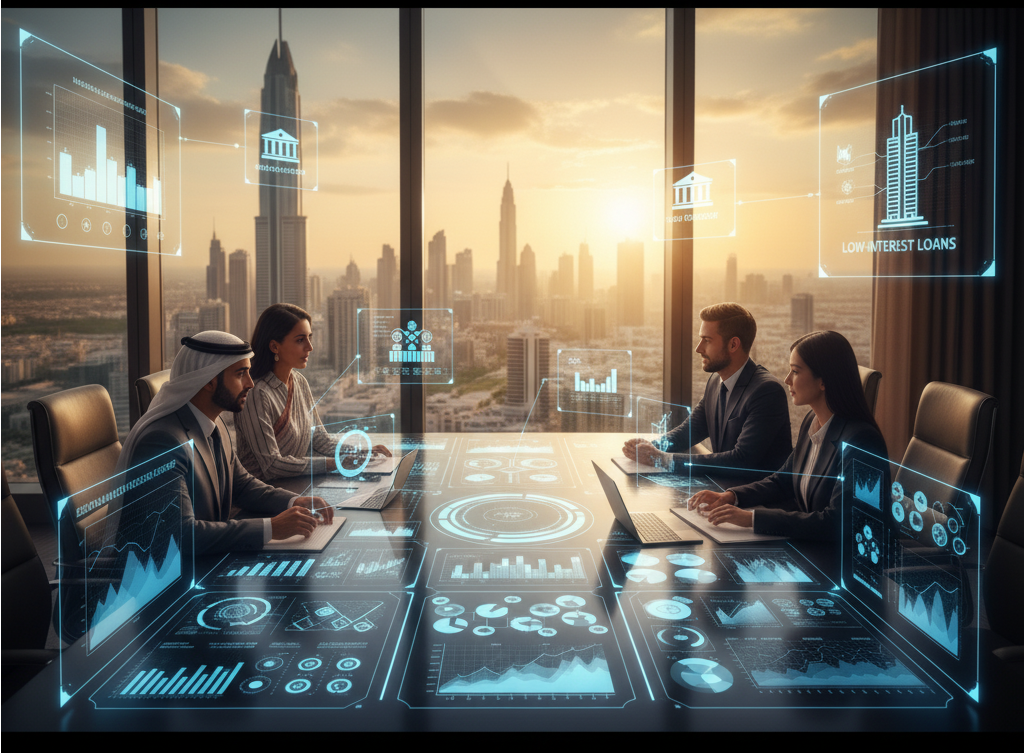
A New Chapter in Human Progress
Entering the year 2026 was not just a further step forward in the digital world, but it is a turning point where artificial intelligence jumped from being a helpful assistant to a functional partner in everyday life. All that had been deemed mysterious but now appeared normal in homes, businesses, and public areas. The world began to trust systems that thought, learnt and modified in a way that closely resembled human judgement.

This transition is seamless and unnoticed, quietly reconfiguring how human beings work, communicate, and solve problems. It ranges from schools to offices. The latest intelligent systems are gradually becoming indispensable rather than optional.
How Everyday Life is Being Redefined
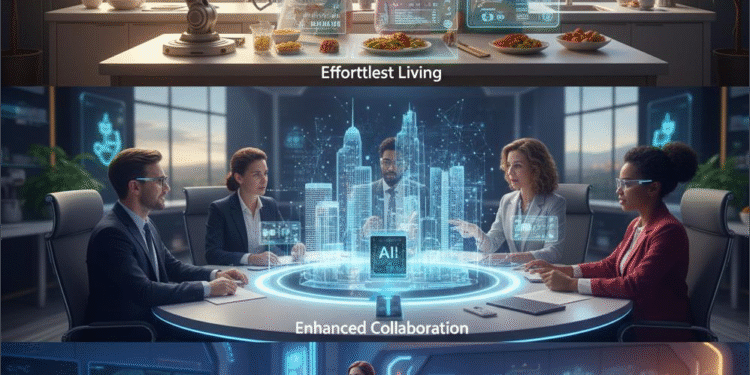
Routine working in 2025 feels easier than ever in the wake of artificial intelligence. Everything is changed, from adjusting temperature to managing grocery deliveries. In the future, a unique change can also be seen in traffic as vehicles understand traffic patterns and improve safety. The health system will also observe a dynamic revolution. In the new era of technology, wearable devices will detect early signs of diseases and, at the same time, indicate precautionary measures. Although, many companies introduced a variety of such wearable devices, which show results beyond human belief.
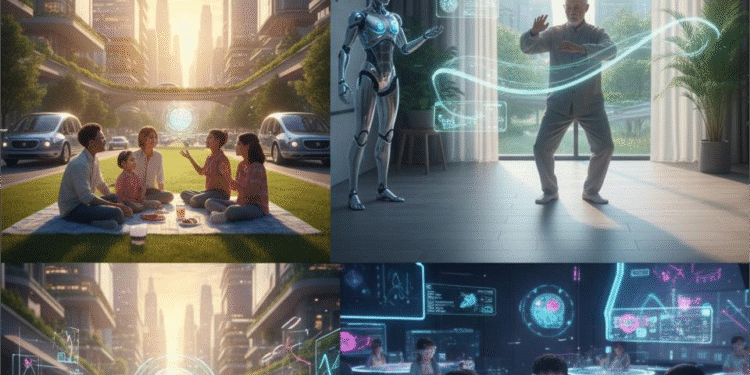
Such changes will provide desired comfort for the people, which is still missing. With the passage of time, AI is controlling and making every ordinary action of life effortless and graceful.
Everyone is expecting that AI will turn everything into an unexpected world which will be integrated into everyday software, devices, and systems such that users may not even notice it.
The Transformation of Work and Industry
The workplace environment in 2026 will shift focus from repetition to innovation. Computerisation will handle tedious tasks, while humans will give attention to strategy, design, and emotional intelligence. This balance will unlock more new career paths that did not exist a decade ago.
In the world of tech and business, AI is not seen as a rival to the workers. A mutual force will be seen that will increase efficiency and open doors for revolution and change. Decision making will be guided by deep exploration yet remain grounded in human values.
The job market will also experience significant interference. However, a certain type of role will be automated; new job categories such as AI auditors, prompt engineers, and AI ethicists will emerge. Reshaping skills will be compulsory to stand up in the market to fight with competitors.
The Rise of Intelligent Collaboration
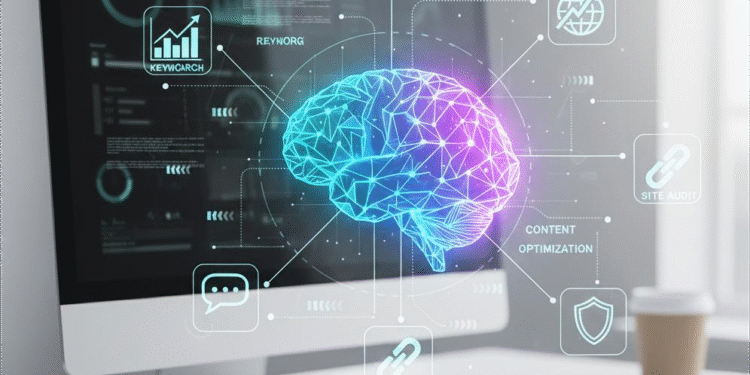
A dramatic change can be seen in 2025 since the induction of AI in business. Groups now work together with AI systems that organise data, forecast results, and update communication. Meetings feel more focused because insights are prepared in advance. Plans shift faster because risk possibilities are pointed out at an early stage.
In this way, performance pushes workers to refine soft skills and critical thinking. The emphasis has moved toward understanding context, interpreting results, and creating meaningful solutions that machines alone cannot imagine. In 2026, we will see even better results of how AI is executing everything organised in a superb and efficient way.
Education in the Age of Intelligent Learning
The classroom in 2026 will appear totally different from the traditional. Students will receive a different way of learning than the traditional style. Learning paths will be customised based on research, individual strengths and challenges. AI instructors will provide instant feedback in a better style. With the induction of AI in 2025, the education system is modernised, but in 2026, we can expect many more advancements.
Between teacher guidance and intelligent systems, students will feel more confident and get engaged. Education has become less about memorisation and more about understanding concepts deeply.
Personalized Growth and Discovery
This approach will allow students to explore subjects through interactive experiences. Science is becoming more visual than ever. Language learning is getting a natural and conversational touch. The results are still coming. It’s awesome that learning is with curiosity rather than pressure.
Teachers will take more advantages, as they will spend less time on grading and more time inspiring critical thought and personal development in their students.
Ethics and Responsibility in a Smart World
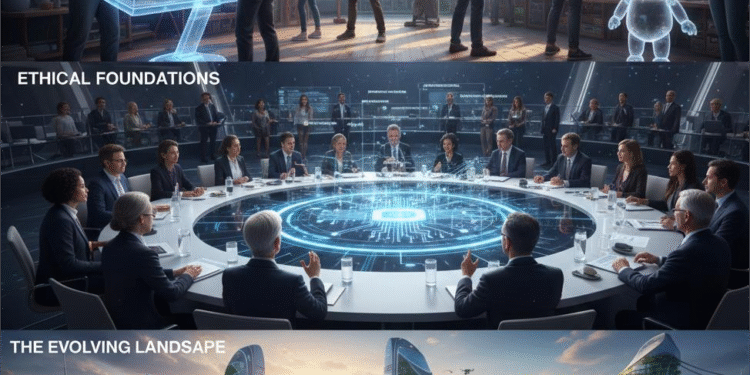
With such power comes a need for careful responsibility. The conversation around ethics in 2026 will be required to be more mature and thoughtful. Governments, developers, and communities will have to work together to create guidelines that will protect privacy and fairness.
Building a Balanced Future
Although we see a gigantic change in human life, the goal is not to let machines dominate human life. The aim is to create coordination where intelligence supports humanity. Ethical design should ensure that progress caters to values for everyone rather than a selected few. This balance keeps the human element alive in a world driven by data and speed.
Creativity and Culture in the AI Era
Art, music, and literature will have more dimensions through intelligent tools. Although a big change has already appeared in the thinking of new ideas, in 2026, we will experience the amalgamation of imagination and computation. The result is a cultural landscape that feels fresh yet realistic. The capabilities of generative AI will expand into highly realistic, multi-modal applications (video, audio, code, and design) that are nearly interchangeable with human-created content. This will accelerate content creation but also develop concerns around misrepresentation, driving the need for better detection tools and content watermarking.
However, AI does not replace creativity; rather, it expands it. Human emotion remains at the core while intelligent systems provide new methods of expression.
A New Voice for Storytelling

A new trend of writing style has already been introduced by AI but further amelioration is required, which will be observed on the surface in 2026. There is still space for improvement. AI is assisting the writers and artists who feel empowered to explore techniques and narratives that once felt unreachable. Visual storytelling becomes more impressive than reading, and music grows deeper emotional layers with the help of AI in 2025. This fusion leads to content that moves people in personal and meaningful ways.
Deep Industry Transformation
AI will be profoundly inserted in key sectors, including:
- Healthcare: a big change will be seen in the healthcare sector in diagnosis and in treatment plans. Further unexpected changes like accelerated drug discovery and AI-assisted surgery will become more common, potentially reducing diagnostic errors significantly.
- Finance: different kinds of scams, automated fraud detection, algorithmic trading, and personalised financial advice from AI devices will be established.
- Manufacturing & Logistics: Since AI is entering into every field, development without AI will be far away from a traditional business style.
- Looking Ahead with Confidence
A new revolution in the world of technology without AI is incomplete. It is all about growth and intuition. The integration of intelligence into daily life feels less like disruption and more like growth.
Final Thoughts:
As people will continue to understand and shape traditional work into transformation. The future feels more optimistic, promising, secure, favorable, and aggressive. Progress becomes a shared journey where technology and humanity walk side by side, creating a world that is smarter, more secure, and more connected.